
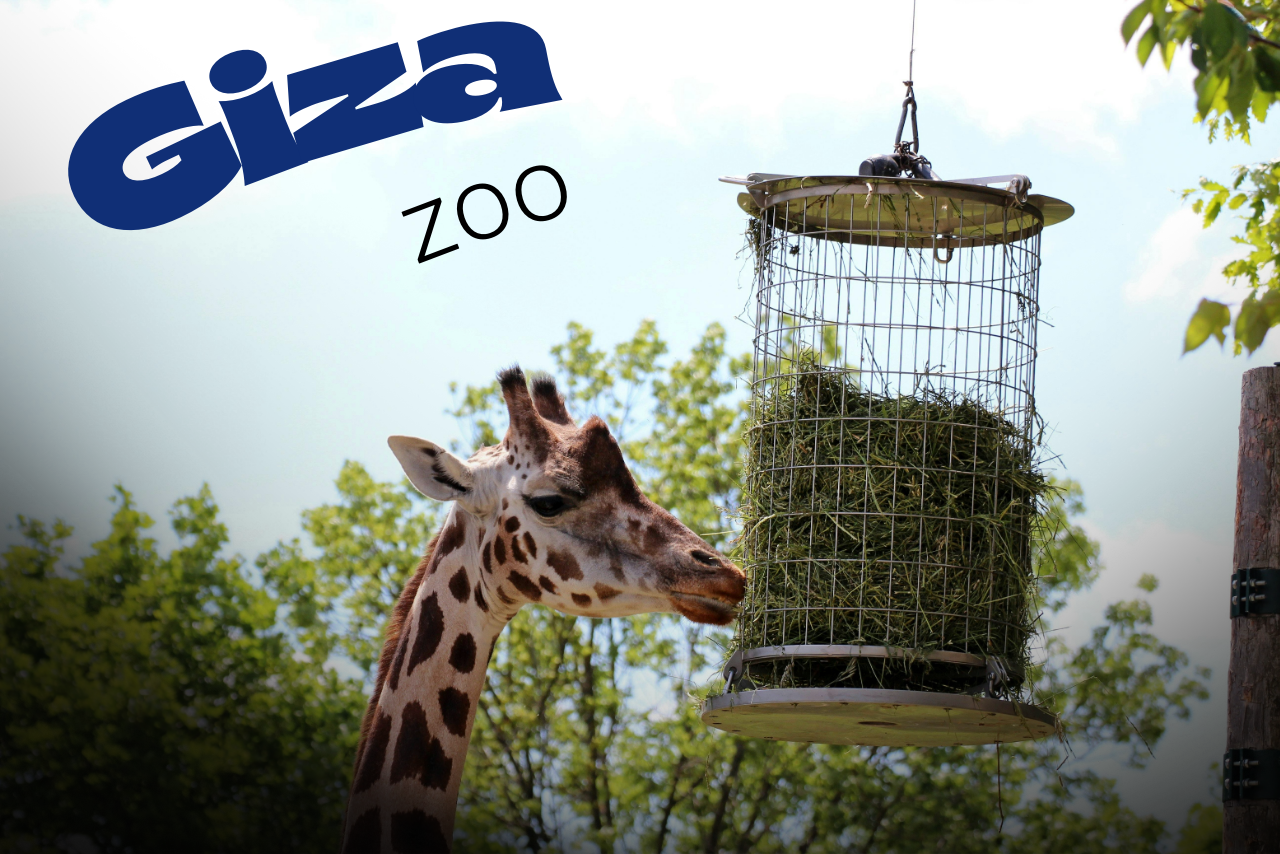
Giza Zoo is widely regarded as one of the most beautiful zoological gardens in the world and one of the richest in terms of animal diversity. Beyond being a place of leisure, it stands as a living historical landmark—where nature, architecture, and Egyptian heritage converge.
Origins of Giza Zoo
The vision for a zoological garden in Egypt dates back to Khedive Ismail, who originally planned to inaugurate it during the grand celebrations of the Suez Canal opening in 1869. Time, however, did not allow this vision to materialize. Instead, a collection of animals and birds was temporarily housed at Al-Jazeera Palace, now known as the Marriott Hotel in Zamalek.
In 1889, Khedive Tawfiq issued a decree allocating part of his mother Walda Pasha’s gardens, located near Orman Garden, to establish the zoo. On March 1, 1891, the gardens officially opened to the public under the name “The Animal Garden,” earning the title “The Crown Jewel of African Zoological Gardens.”
Location
Giza Zoo is located on the western bank of the Nile in Giza, with its northern edge overlooking the main buildings of Cairo University—placing it at the heart of one of Cairo’s most vibrant districts.
Park Features & Components
Zoological Museum & Natural Landscapes
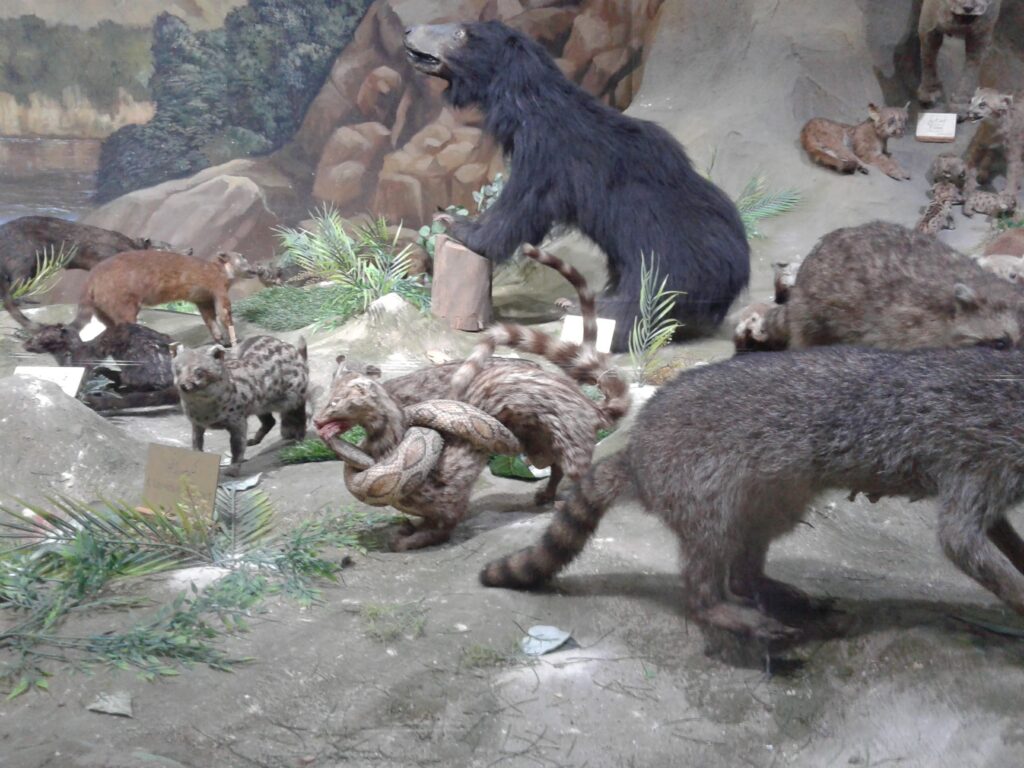
Established in 1906, the Zoological Museum houses rare collections of preserved animals, birds, and reptiles. The zoo itself is designed as a natural landscape, featuring:
Water tables, lakes, and caves with waterfalls
Wooden bridges and bird islands
Rock formations and shaded pathways
Today, the Zoological Museum is home to approximately 4,800 animals and birds, including:
Around 680 species of animals
Over 3,000 species of birds
More than 3,000 species of reptiles
These live beneath a canopy of rare trees sourced from across the globe—some over 150 years old.

Architectural & Cultural Landmarks
Historic Mosque
A mosque within the zoo was constructed in 1359 AH (1940 AD) and inaugurated by then-Minister of Agriculture Mahmoud Tawfiq Hafnawi Bey, serving as a place for religious ceremonies.
Iconic Pavilions
The zoo features five breathtaking pavilions, including:
The Castle (Al-Qala’a)
The Candlestick
Tea Island
The Hanging Bridge
The Al-Qala’a rock garden, built in 1867, is the largest of its kind and adorned with statues of extinct animals, including the Fayyoum crocodile, along with depictions of crocodiles and exotic birds.
A spiral path leads to a rooftop garden, while inside the structure are corridors and alcoves covered in greenery. At its center lies a hall furnished with seats crafted from petrified wood, sourced from Egypt’s ancient petrified forests.
Spread love everywhere you go. Let no one ever come to you without leaving happier.
–Mother Teresa
At vero eos et accusamus et iusto odio dignissimos ducimus qui blanditiis praesentium voluptatum deleniti atque corrupti quos dolores et quas molestias excepturi sint occaecati cupiditate non provident, similique sunt in culpa qui officia deserunt mollitia animi, id est laborum et dolorum fuga.
At vero eos et accusamus et iusto odio dignissimos ducimus qui blanditiis praesentium voluptatum deleniti atque corrupti quos dolores et quas molestias excepturi sint occaecati cupiditate non provident, similique sunt in culpa qui officia deserunt mollitia animi, id est laborum et dolorum fuga. Et harum quidem rerum facilis est et expedita distinctio. Nam libero tempore, cum soluta nobis est eligendi optio cumque nihil impedit quo minus id quod maxime placeat facere possimus, omnis voluptas assumenda est, omnis dolor repellendus.